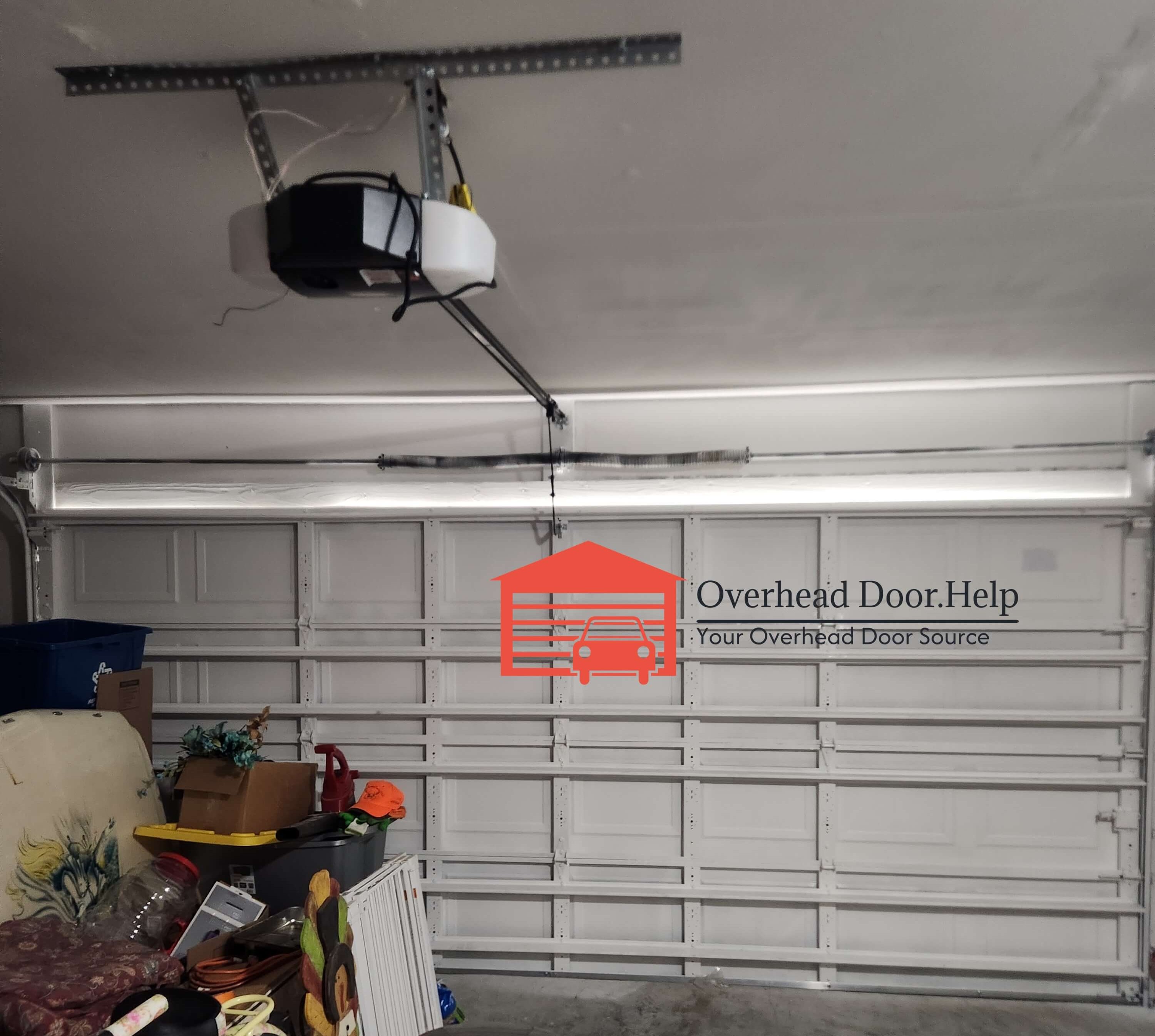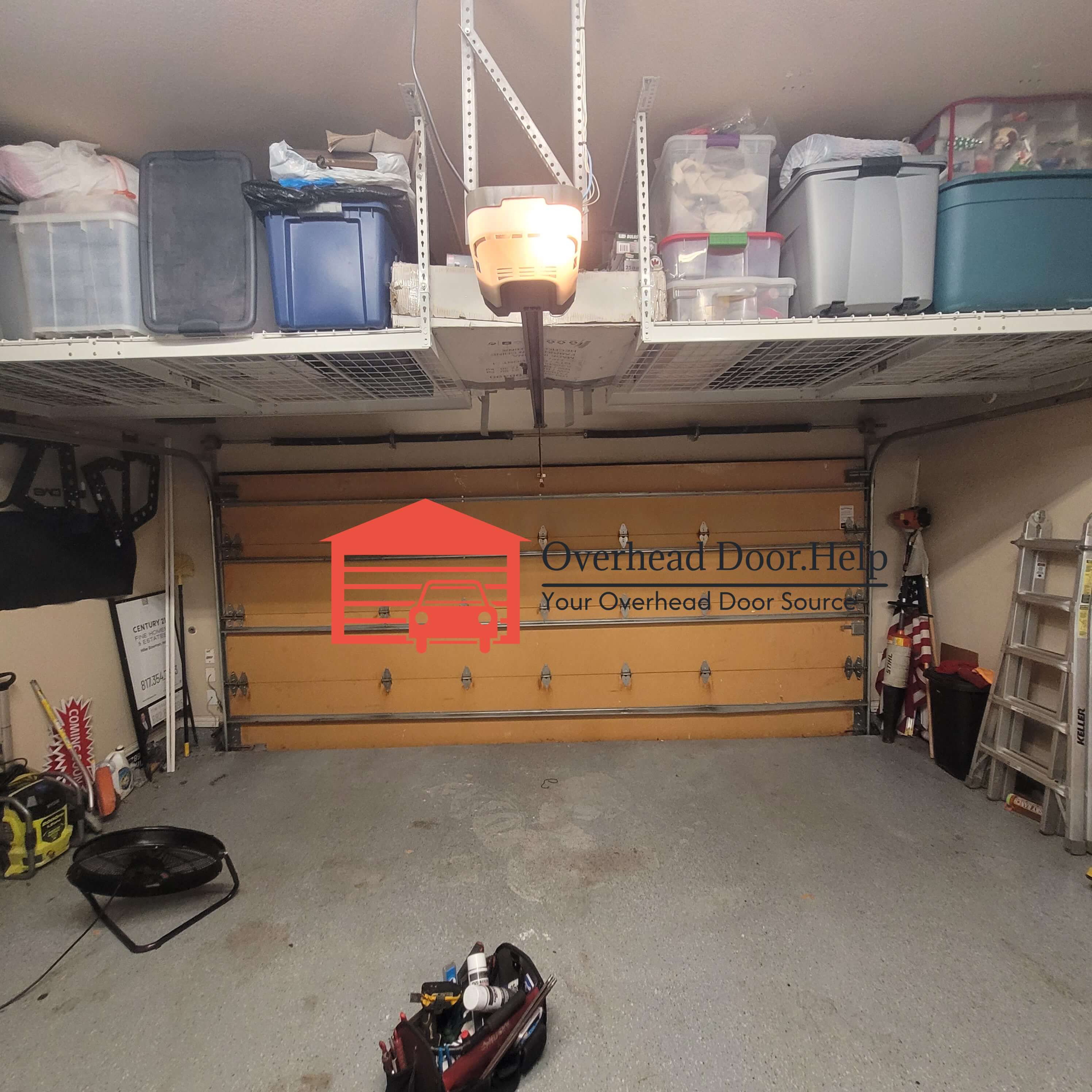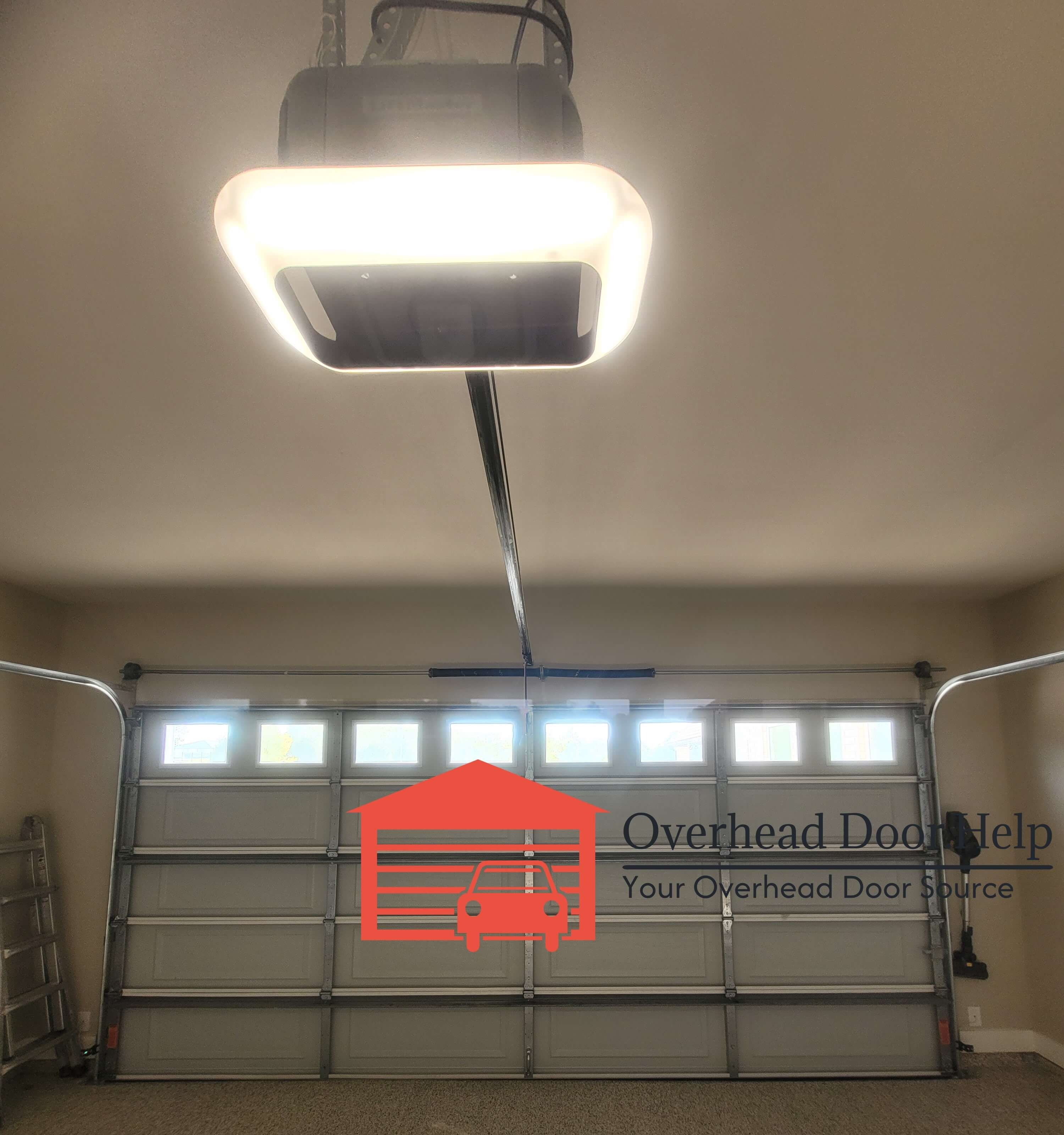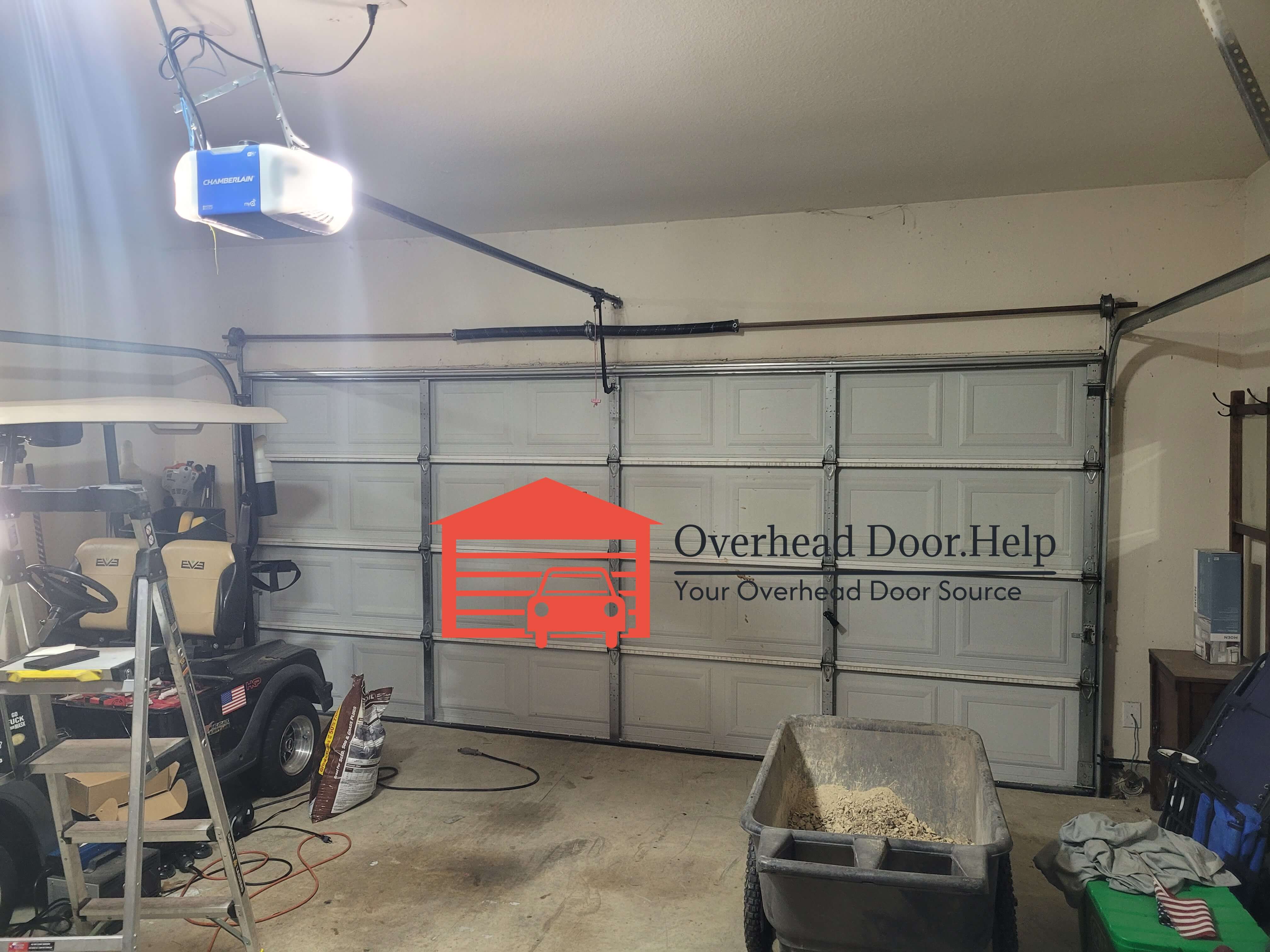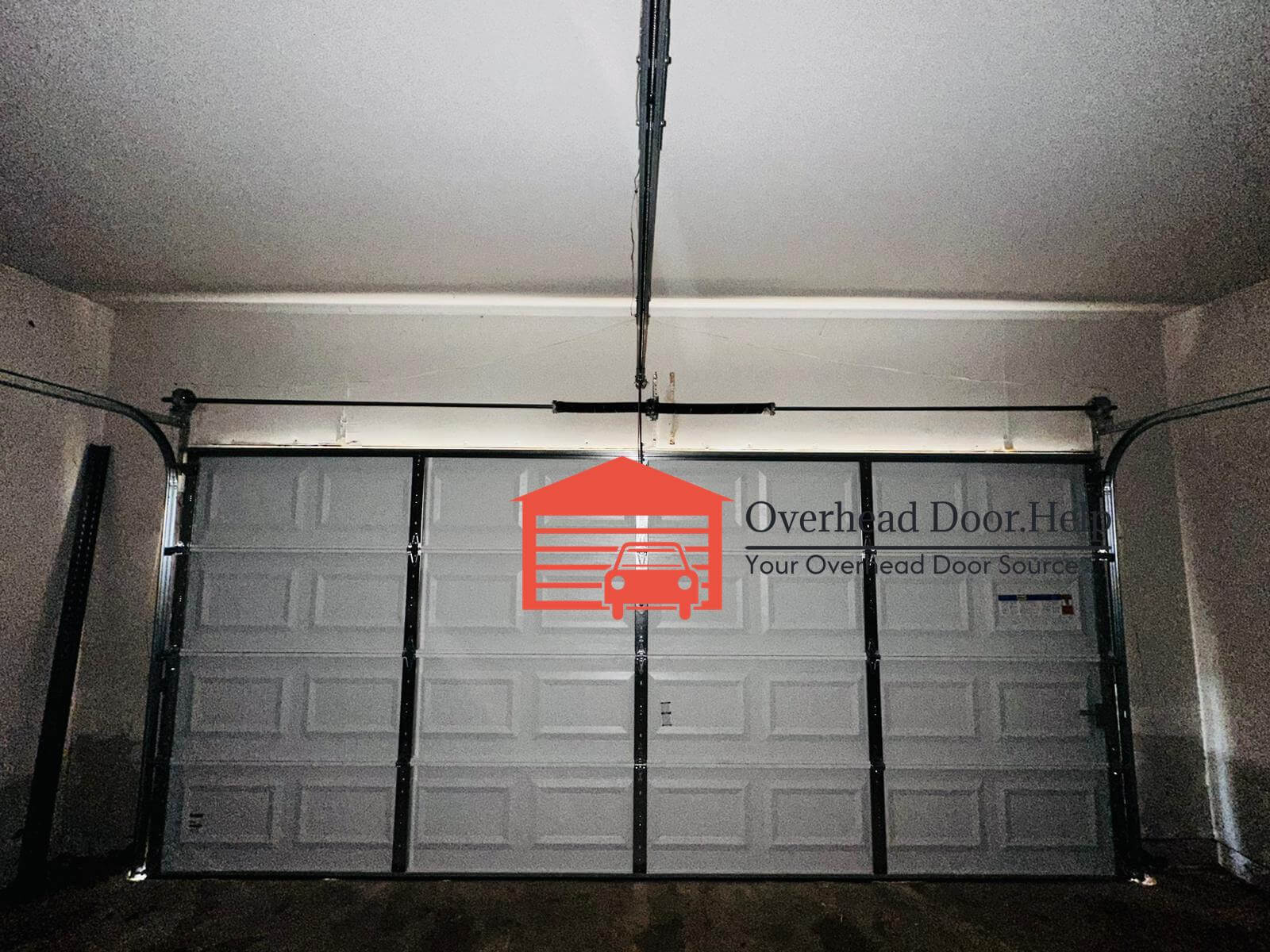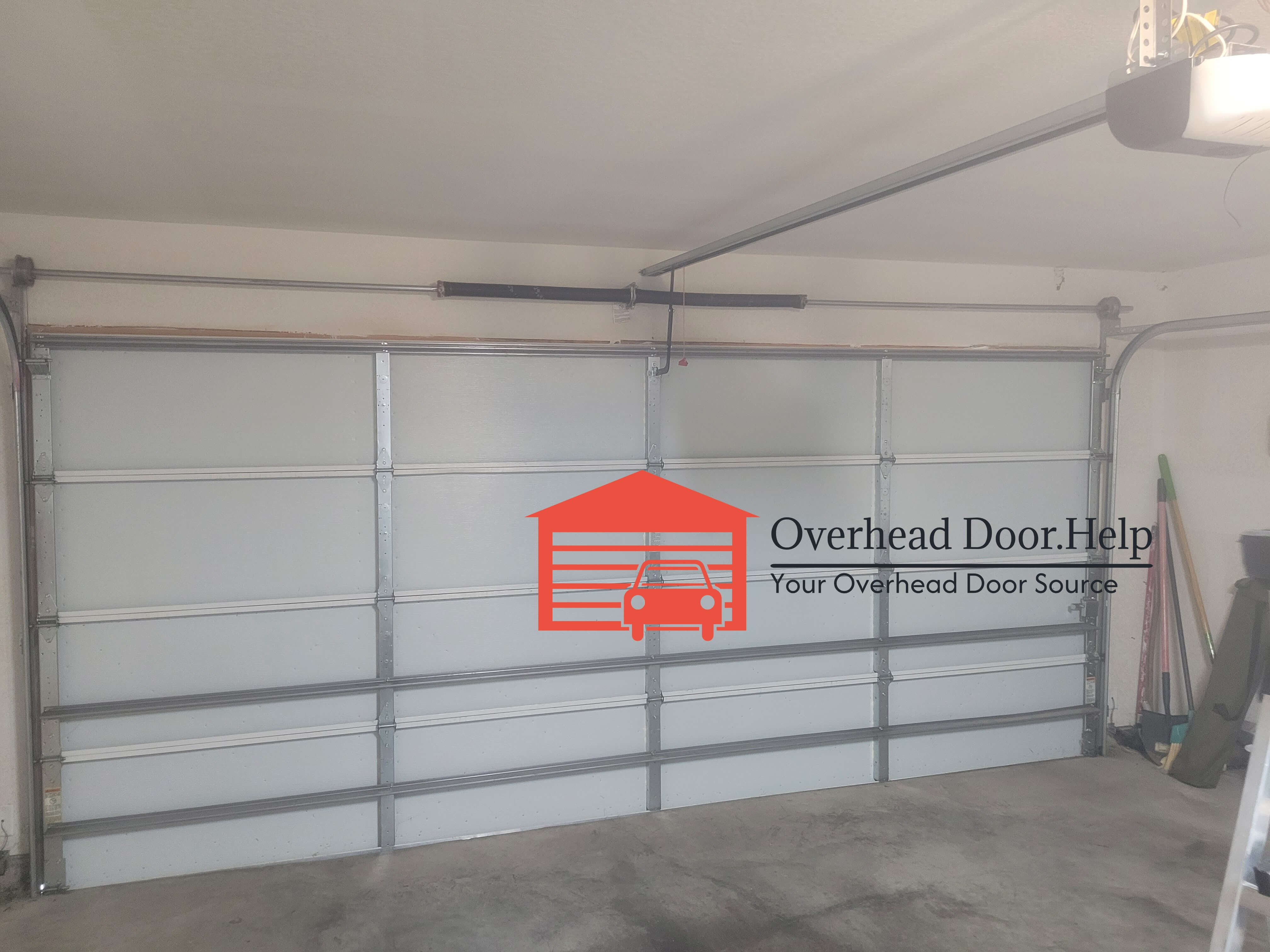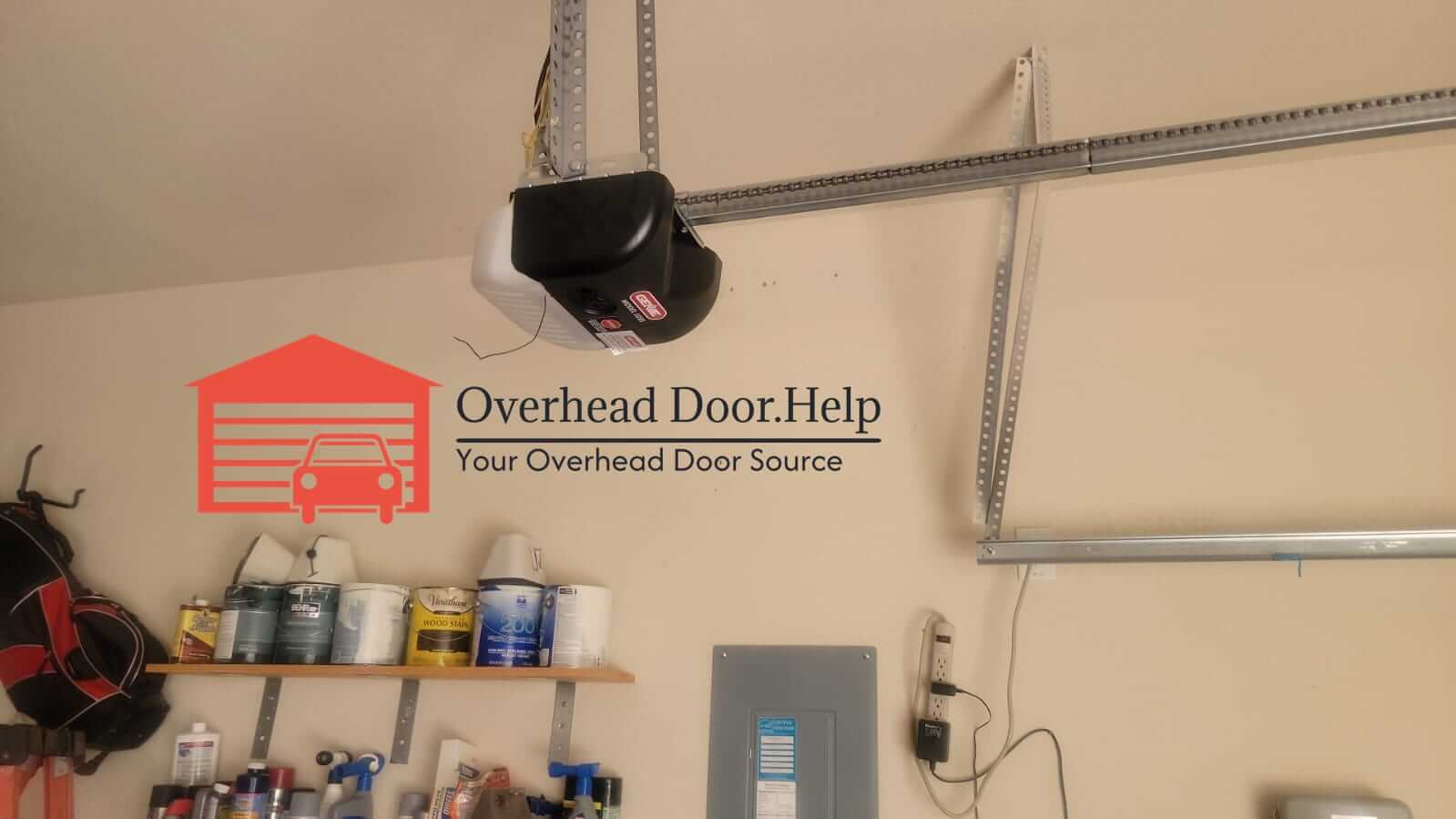
overheaddoor.help_genie_garage_door_opener_repair

About

About Overhead Doors

This is the history of overhead doors, from their beginning to a modern solution for homes.

Pre-1920s: Back then, carriage house doors were the main type of door to be installed at garages before the overhead doors were invented. These were side-hinged wooden doors that swung outward like a traditional wheelbarrow, taking up more space in the garage when parked.

The Overhead Door Invention

1921: C.G. Johnson is the name of the person who is credited for the invention of the first overhead garage door in Detroit, Michigan. Instead of swing-out doors, this door would lift up and travel along tracks, which means it acts as a roller shutter door, saves space, and makes it easier to operate.

Later on, he started the Overhead Door Corporation, which remains to be one of the oldest brands in the sector and continues to operate to this day.

Inclusion of

1926: Johnson's another breakthrough was the first electrically-powered garage door opener that was introduced in 1926, representing a real breakthrough of innovation in the field of workplace convenience and safety.

Compared to the complex systems that are readily available today, those were crude, but they signaled the commencement of automated access.

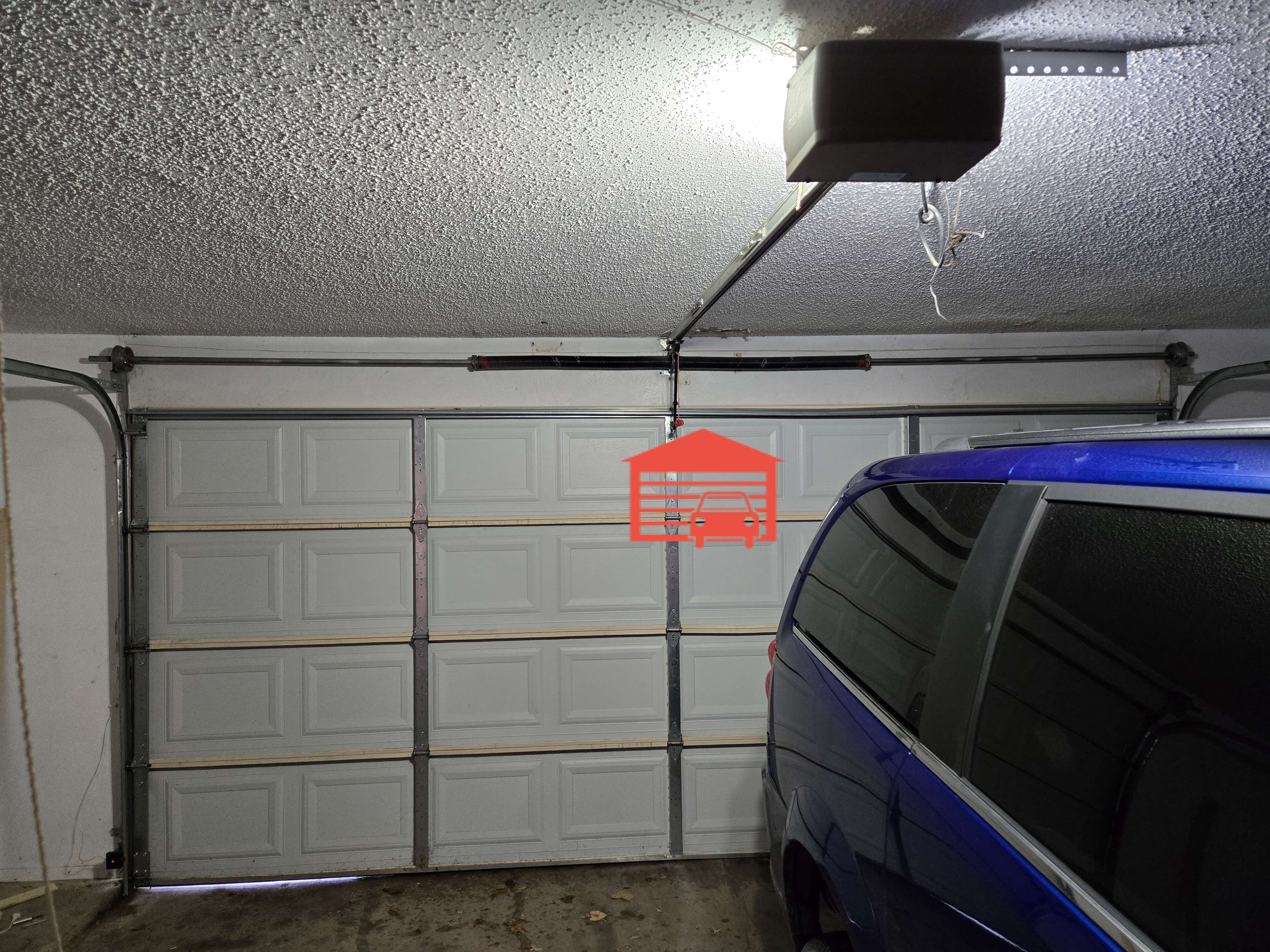
USA-map new-lifetime-torsion-springs-install

Post-War Developments

1940s –500S: the years of the housing boom that followed the WWII era were characterized by a surge in suburban areas in the U.S. The increase of cars, the building of additional garages, and the swinging of overhead doors, finally, all these elements combined led to the overhead doors being included in every new house.

Heavy wooden doors were being replaced with the new steel doors which were not just durable materials but also helped to decrease maintenance work substantially.

The Contemporary Styles

1970s –1990s: Innovations in technology heralded the age of lighter materials (aluminum, fiberglass, and insulated steel) and the development of openers with the most up-to-date features such as automatic reverse pushbuttons (federal safety rules introduced them in 1993).

Standard remote controls, along with the new openness and security, are now two very important factors for homeowners.

Present Day

Contemporary garage doors are overhead with a selection of materials like wood, steel, aluminum, and composite which are insulated for greater energy efficiency.

Homeowners can not only open their garages through a smartphone but also check them with the smart technology that is now used by door openers.

The overhead door started as just a way to save space but over time it has transformed into a valuable part of security, comfort, and decoration.

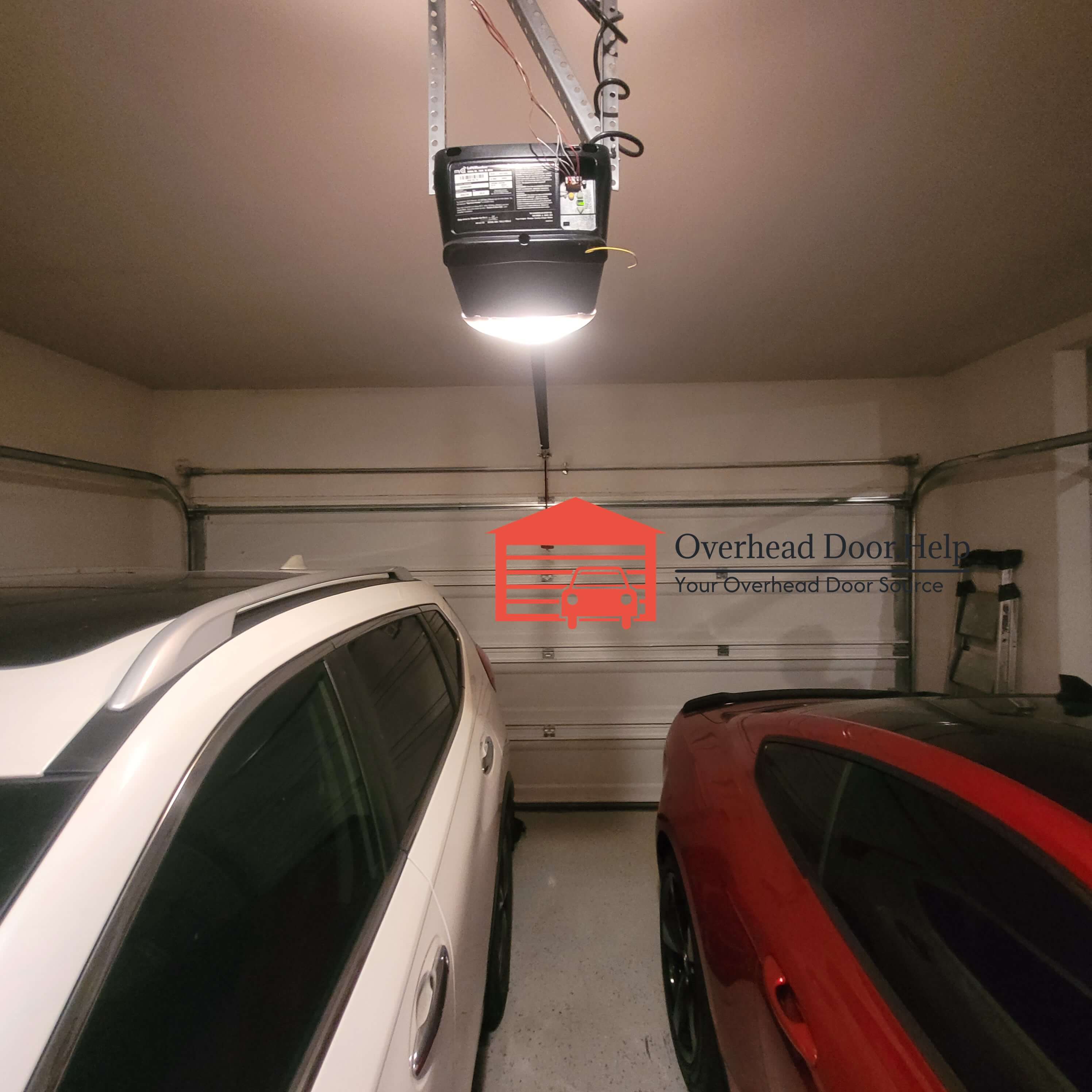
Overhead Doors

Typical issues with overhead doors

  • Torsion spring / broken: The door is too heavy to lift because the spring snaps, losing its tension.
  • Broken extension spring: the door cannot open safely because the side-mounted springs are stretched and broken.
  • Frayed or snapped cables: Cables that are worn and can break can result in the door dropping unevenly or becoming non-functioning.
  • Damaged or worn rollers: The parts that are affected by wear and tear of the rollers create disbalance, noise, and vibration of the roller door.
  • Bent or misaligned tracks: Tracks that are bent or move you can see do not let the door run on the path smoothly.
  • Door off-track: Rollers that are out of track say that the roller door does not run as it is required.
  • Opener not responding: There must be electrical issues or programming errors or the motor might have worn parts.
  • Remote not working: These problems are usually due to dead batteries, misprogramming, or signal interference.
  • Limit settings off: The opener's travel limits are off by which the door can't fully open or close.
  • Safety sensors misaligned: Misaligned eyes of the photo sensor, which measure the position of the door, will block the door from closing it to ensure safety.
  • Loose or broken hinges: Noisy operation or panel misalignment arises from hinge wear.
  • Damaged bottom seal: The garage door is allowing drafts, pests, and moisture to enter with the opening of the garage nipasẹ a windowspane seal that is worn.
  • Noisy or vibrating operation: It is generally due to loose hardware, roller wear, or a lack of lubrication.
  • Chain or belt slack: A loose system in the drive chain results in jerky movement and pronunciation of the noise.
  • Motor overheating: Operating at high frequency or internal wear causes the opener to temporarily disable.
  • The door won't fully open: It can be a weak suspension, bad limits or springs, or a damper that the opener struggles with.
  • The door won't fully close: Sensor failings, object blocking, or limit setting errors often cause such issues.
  • Panel damage or dents: The visual effect of the impact makes it susceptible to misalignment.
  • Stripped gears in opener: Wear on the gear inhibits the right movement of the door.
  • Broken drum or shaft: The door's lifting depends on the operation of these basic elements.
  • Loose hardware or brackets: Consistent usage, loosening screws, causing noise or misalignment.
  • Worn bearings: Bearings present in end plates or pulleys show dragging which makes the door heavier or noisy.
  • Unbalanced door: One side of the door is forced heavier and has an effect on the opener and parts.
  • Weather stripping squalor: Old seals that are less insulating and letting in dirt or water are aged.
  • Power surge damage to opener: Electrical surges can fry circuit boards and stop the operation.

Overhead Doors

Solutions and Cost

Torsion spring fracture

  • Procedure: substitute springs of both, door balancing, and safety checking.
  • Expensive: $189 to $420

Broken extension spring

  • Process: Replace both springs, check pulleys/cables, test tension.
  • Cost: $165–$320

Frayed or snapped cables

  • Process: Replace lift cables, inspect drums/shaft, reset tension.
  • Cost: $135–$260

Damaged or worn rollers

  • Process: Replace rollers (usually all 10–12), lubricate and align.
  • Cost: $120–$260

Bent or misaligned tracks

  • Process: Re-align or replace damaged sections, adjust brackets.
  • Cost: $125–$350

Door off-track

  • Process: Reset rollers, straighten track, tighten hardware, safety test.
  • Cost: $120–$280

Opener not responding

  • Process: Diagnose motor, wiring, sensors; repair or replace parts.
  • Cost: $89–$220 repair, $350–$750 replacement

Remote not working

  • Process: Reprogram, replace battery, replace remote if faulty.
  • Cost: $30–$65

Limit settings off

  • Process: Adjust travel limits and force settings on the opener.
  • Cost: $65–$120

Safety sensors misaligned

  • Process: Align sensors, clean lenses, check wiring.
  • Cost: $65–$130

Loose or broken hinges

  • Process: Replace hinges, tighten hardware, reinforce if needed.
  • Cost: $65–$180

Damaged bottom seal

  • Process: Remove the old seal, install a new weather strip or retainer.
  • Cost: $85–$185

Noisy or vibrating operation

  • Process: Tighten hardware, lube components, replace worn rollers.
  • Cost: $85–$220

Chain or belt slack

  • Process: Adjust tension, inspect sprockets and rails.
  • Cost: $75–$150

Motor overheating

  • Process: Cool down, inspect gears/capacitor; repair if needed.
  • Cost: $110–$250

Door won’t fully open

  • Process: Diagnose spring tension, opener limits, hardware resistance.
  • Cost: $85–$200

Door won’t fully close

  • Process: Adjust sensors, travel limits, or reset opener.
  • Cost: $85–$160

Panel damage or dents

  • Process: Repair minor dents or replace individual door sections.
  • Cost: $150–$950 depending on section

Stripped gears in opener

  • Process: Replace gear/sprocket assembly and re-lube.
  • Cost: $120–$220

Broken drum or shaft

  • Process: Replace drums/shaft, reset cables, balance door.
  • Cost: $160–$350

Loose hardware or brackets

  • Process: Tighten, replace worn fasteners, reinforce as needed.
  • Cost: $65–$120

Worn bearings

  • Process: Replace end bearings or bearing plates.
  • Cost: $120–$240

Unbalanced door

  • Process: Rebalance springs, adjust tension, safety test.
  • Cost: $85–$180

Weather stripping deterioration

  • Process: Perimeter seal, the top seal, or bottom rubber.
  • Cost: $85–$185

Power surge damage to opener

  • Process: Replace opener logic board or entire opener.
  • Cost: $140–$220 (board) | $350–$750 (new unit)

Overhead Doors

Typical issues with overhead doors

Sensor-integrated Smart Garage Door Systems with Self-Diagnosis

  • These doors are outfitted with sensors measuring the spring torque, roller friction, motor strain, and they count how many times the door has cycled every time the door moves.
  • Benefits Observed: Senses bad springs, cable tension issues, and forewarns homeowners prior faults.
  • Example of GuardianSense: A module that checks more than 15 health points and notifies you about problems.

Thermal Composite Doors with High Efficiency

  • The two-layer, composite thermal foam, and composite board technology is what makes these insulated doors unique.
  • Benefits: Excellent energy performance, energy costs, and longer durability.
  • Example: ThermaShield Pro - R-22 thermal barrier door.

Integrated Lithium Battery Systems

  • The openers are with built-in long-life backup lithium batteries incorporated inside the motor housing.
  • Benefits: 100-150 backup cycles, compact size, long lifespan.
  • Sample product: PowerSafe Infinity – Opener with integrated lithium power cell.

Automated Locking and Security Systems

  • Motorized steel deadbolts or track locks that engage automatically when the door closes.
  • Benefits: Increased security and forced-entry protection.
  • Sample product: SecureLock Auto-Bolt – Smart deadbolt kit.

Transparent Polycarbonate Overhead Doors

  • Lightweight, clear panels for modern homes and storefronts.
  • Benefits: Natural light, impact resistance, sleek design.
  • Sample product: CrystalView 360 – UV-resistant clear panel door.

Smart Privacy Glass Doors

  • The glass panels turn from transparent to frosted in a matter of seconds.
  • Benefits: Privacy added only when needed at a touch of a button; and luxury design.
  • Sample product: FrostLine Smart Glass Door - Switchable privacy panels.

Carbon-Fiber Reinforced Rollers

  • Carbon-fiber built ultra-quiet rollers are equipped with low-friction bearings.
  • Benefits: Longer lifespan and smoother, quieter operation.
  • Sample product: CF-Silent Roll 12 - Carbon roller with lifetime warranty.

Full IoT Hardware Ecosystem

  • Communicating as a chain, the smart hinges, brackets, sensors, and openers, use IoT systems.
  • Benefits: Wear tracking, usage history, and expected failures.
  • Sample product: DoorCloud Suite - Complete garage connectivity via IoT system.

Solar-Powered Garage Door Systems

  • The opener and the backup system are powered by solar panels that are installed on top of the garage.
  • Benefits: Achieves off-grid capability and uses less electricity.
  • Sample product: SolarLift X1 - Solar-integrated opener with battery.

High-Speed Residential Doors

  • Like commercial high-speed sectional doors, they are fast-opening sectional doors.
  • Benefits: 20-30 inches per second, better climate control.
  • Sample product: SwiftHome 500 - High-speed insulated door.

AI-Integrated Security Cameras

  • They are 360° cameras that come with AI facial and motion recognition.
  • Benefits: Added home security, and notifications are turned instantly.
  • Sample product: VisionGuard 360 - The opener with smart security detection.

Anti-Corrosion Coastal Doors

  • Composite and marine-grade materials are used in the making of these doors which are designed for the beach climate.
  • Benefits: Long-lasting rust-free life.
  • Sample product: CoastalCore Elite - Marine-resistant sectional door.

Fire-Resistant Residential Overhead Doors

  • They are panel doors made of fire-rated materials for the garages that are attached.
  • Benefits: The house is safer and it has stronger insulation.
  • Sample product: FireGuard 90 - 90-minute fire-rated door.

Voice-Activated and Gesture-Control Doors

  • They are openers that work either with voice activation or by gestures.
  • Benefits: No remote required for hands-free mode.
  • Sample product: HandsFree Opener - Voice and motion-activated system.

Automatic Lubrication Systems

  • Micro-lubricators are the devices that deliver the correct amount of lubricant to the hardware component that is required.
  • Benefits: Makes less noise and lasts longer.
  • Sample product: AutoLube System - One-year lubrication cartridge.

AI-Adaptive Opening Speed

  • The openers that sense weather changes, door weight, and usage adjust their speed.
  • Benefits: Improved service and low wear.
  • Product Sample: SmartFlow OpenSpeed - AI-controlled travel system.

Garage Environment Control Packages

  • These timers check on humidity control, air quality control, pest control, and heat control.
  • Benefits: Protects stored items and improves home safety.
  • Sample product: EnviroGuard Garage Kit - Full environment monitoring.
overheaddoor.help_chamberlain_garage_door_opener_repair
overheaddoor.help_garage_door_spring_repalcement
overheaddoor.help_genie_screw_drive_opener_repair

FAQ's

Frequently Asked Questions

The United States has an exceedingly abundant stock of single-family residences, representing the majority of all housing units in the country. According to the latest national housing statistics, there are nearly 77.1 million single-family detached houses in the United States. Every time a person refers to the residential houses, they think of them, the most common are separate houses.

Aside from the detached homes, the U.S. boasts around 7.45 million single-family homes that are attached, for example, townhomes, row houses, and duplex-style apartments where walls are shared, but each unit still is a single-family dwelling.

The total number of U.S. single-family houses, inclusive of attached and detached types, is nearly 84.5 million.

This indicates that nearly two-thirds of all homes in the country are classified as single-family residences, substantiating the predominance of this kind of housing in the national residential market. The remaining stock of housing includes apartments, multifamily buildings, and mobile homes.

American homeowner's beautiful property of houses with more than 5000 units. It has been determined that most homes in the United States have the option of a garage. The best estimate in the industry, based on national housing counts and the typical garage configurations is:

Homes with Garages

Roughly 82 million houses in the U.S.A. have some type of garage. This includes the attached, detached, single-car, and multi-car garages.

Average Number of Doors per Home

Most homes generally have:

  • 1 door (single-car garages)
  • 2 doors (dual single-bay garages)
  • 1 wide double door
  • 3 + doors in larger homes
  • Across the whole country, the real average is about 1.8 garage doors each home.

Total Estimated Garage Doors

147-150 million garage doors estimated nationwide were made from the formula: 82 million homes multiplied by 1.8 doors per home which gives you the result.

Extended Coverage

When you also take into account:

  • High-end houses with 3-4 doors and old houses with single-car garages
  • Some multifamily homes which also have bays again the range is broader.
  • 150 million to 200 million is the best possible estimate for the total throughout the USA.

Prices

Our Prices

City & State On Site Estimate Residentail Door Repair Opener Repair Commercial Door Repair Commercial Door Install
Los Angeles, CA Free of Charge $195 - $395 $185 - $350 $255 - $465 $1255 - $3465
Chicago, IL Free of Charge $195 - $395 $185 - $350 $255 - $465 $1255 - $3465
Houston, TX Free of Charge $195 - $395 $185 - $350 $255 - $465 $1255 - $3465
Phoenix, AZ Free of Charge $195 - $395 $185 - $350 $255 - $465 $1255 - $3465
Philadelphia, PA Free of Charge $195 - $395 $185 - $350 $255 - $465 $1255 - $3465
San Antonio, TX Free of Charge $195 - $395 $185 - $350 $255 - $465 $1255 - $3465
San Diego, CA Free of Charge $195 - $395 $185 - $350 $255 - $465 $1255 - $3465
Dallas, TX Free of Charge $195 - $395 $185 - $350 $255 - $465 $1255 - $3465
Jacksonville, FL Free of Charge $195 - $395 $185 - $350 $255 - $465 $1255 - $3465
Fort Worth, TX Free of Charge $195 - $395 $185 - $350 $255 - $465 $1255 - $3465
San Jose, CA Free of Charge $195 - $395 $185 - $350 $255 - $465 $1255 - $3465
Austin, TX Free of Charge $195 - $395 $185 - $350 $255 - $465 $1255 - $3465
Columbus, OH Free of Charge $195 - $395 $185 - $350 $255 - $465 $1255 - $3465
Charlotte, NC Free of Charge $195 - $395 $185 - $350 $255 - $465 $1255 - $3465
San Francisco, CA Free of Charge $195 - $395 $185 - $350 $255 - $465 $1255 - $3465
Indianapolis, IN Free of Charge $195 - $395 $185 - $350 $255 - $465 $1255 - $3465
Seattle, WA Free of Charge $195 - $395 $185 - $350 $255 - $465 $1255 - $3465
Denver, CO Free of Charge $195 - $395 $185 - $350 $255 - $465 $1255 - $3465
Washington, DC Free of Charge $195 - $395 $185 - $350 $255 - $465 $1255 - $3465
Nashville, TN Free of Charge $195 - $395 $185 - $350 $255 - $465 $1255 - $3465
Oklahoma City, OK Free of Charge $195 - $395 $185 - $350 $255 - $465 $1255 - $3465
El Paso, TX Free of Charge $195 - $395 $185 - $350 $255 - $465 $1255 - $3465
Boston, MA Free of Charge $195 - $395 $185 - $350 $255 - $465 $1255 - $3465
Portland, OR Free of Charge $195 - $395 $185 - $350 $255 - $465 $1255 - $3465

Contact Us

Get in touch